
An interview with Museolab
Our connection with Museolab began through Shapes of Wonder: Sacred Geometry for Kids, a workbook developed by The Thinking Hand Institute to introduce children to geometry through drawing, observation and practical exploration.
In this interview, we sat with Nelly, the founder and director of Museolab to explore the shared value of hands-on learning, the role of creativity in children's education, and how drawing can help children develop a deeper understanding of the world around them.
Could you begin by telling us about Museolab and the work you do?
Museolab, or The Cultural Lab, is a Lebanese non-governmental organization that I started in 2017 as part of a collective of archaeologists. Then, in 2023, it was officially registered with the Lebanese Ministry of Youth and Sports. It works at the intersection of archaeology, cultural heritage, and education, making heritage more accessible and meaningful to different audiences, particularly children and young people.
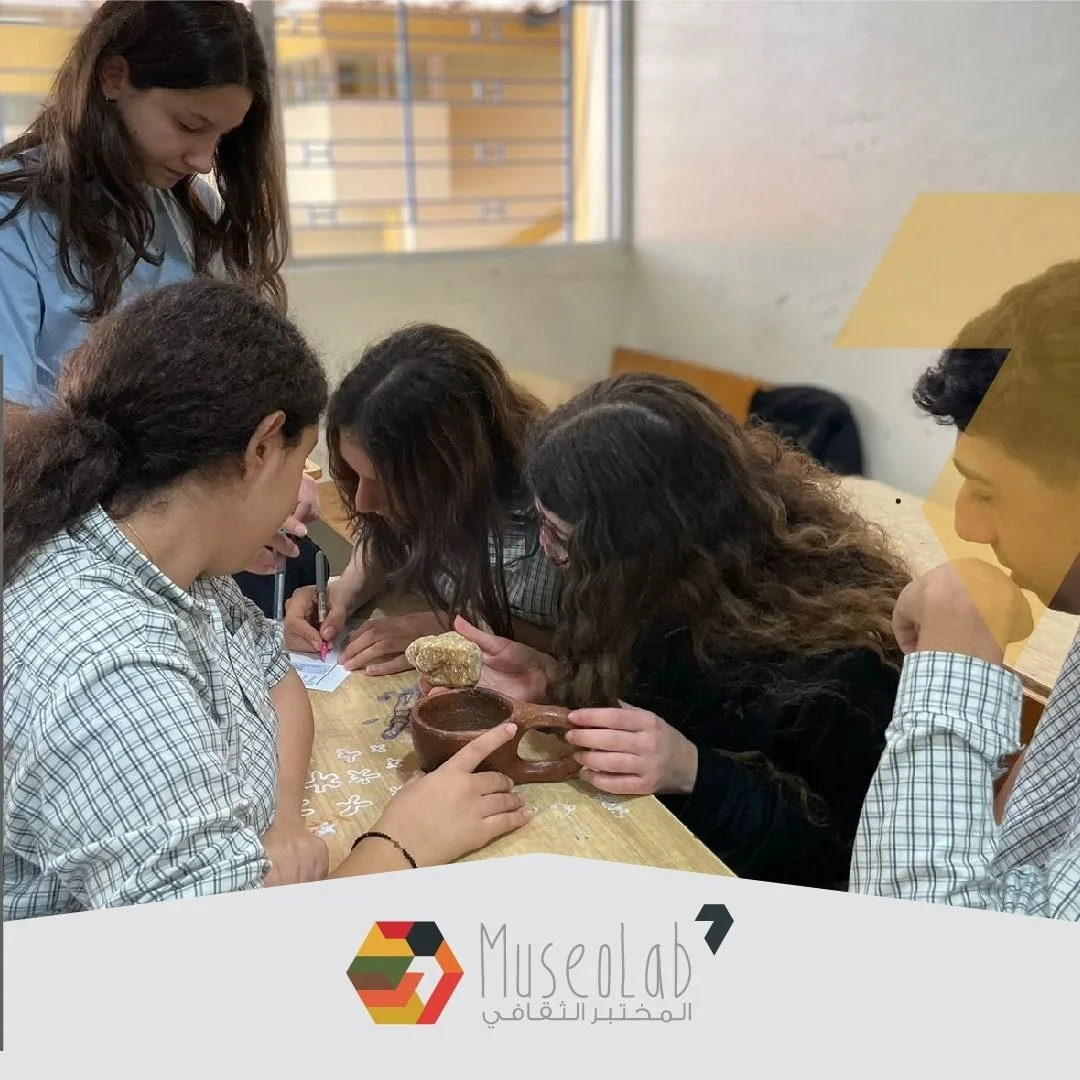
Our work focuses on developing hands-on, experiential learning activities that encourage participants to explore heritage rather than simply receive information about it. We work with schools, youth groups and cultural institutions, using objects, archaeological evidence, storytelling, creative activities and, increasingly, digital tools to create opportunities for learning and engagement.
For me, heritage education is not simply about transmitting historical knowledge. It also brings people to develop a relationship with the past, understand the different meanings we attach to it, and recognise its relevance to their lives today. We see heritage as a resource for dialogue, belonging and active citizenship. Ultimately, Museolab aims to bring heritage closer to people and to encourage them to become active participants in understanding, interpreting and preserving it.
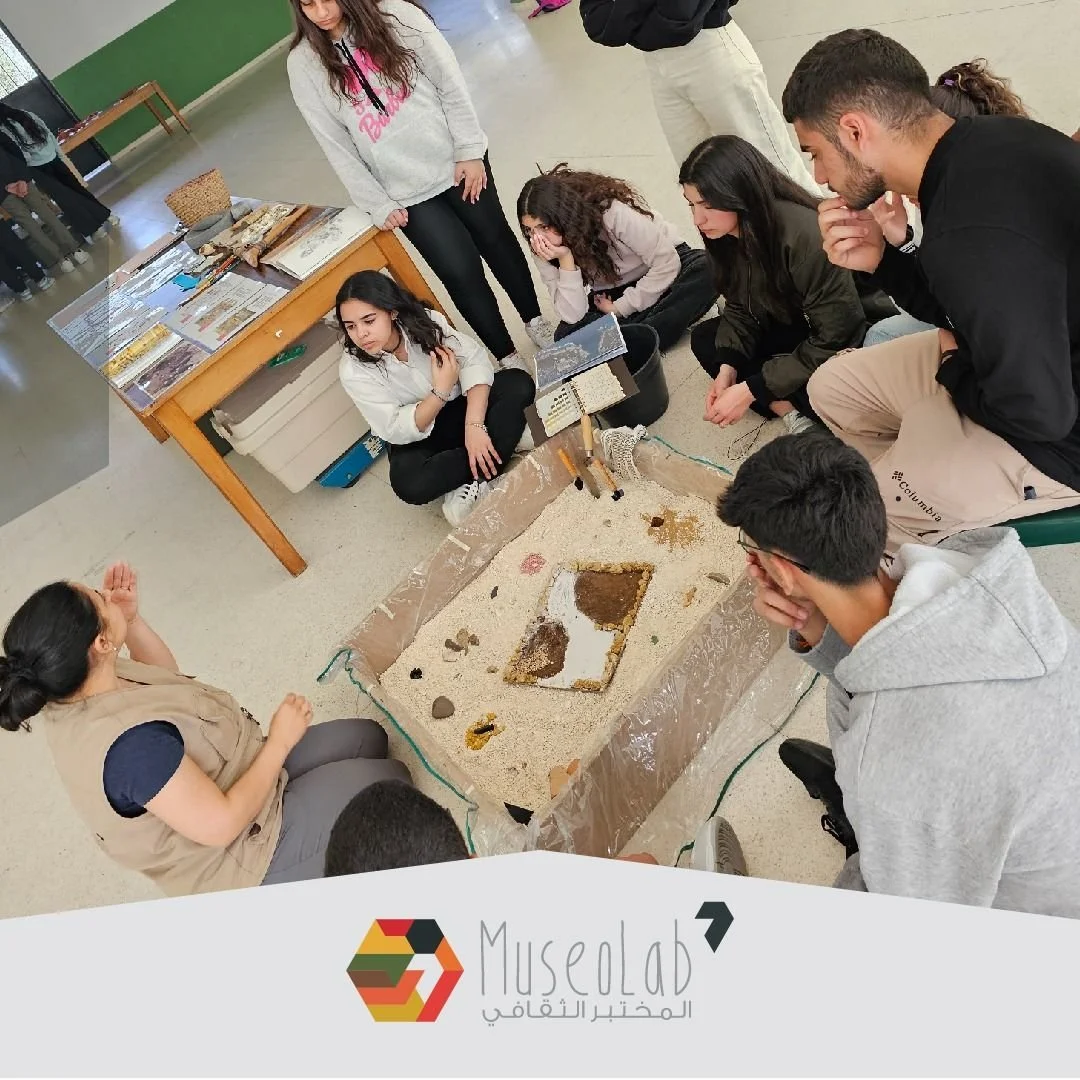
What inspired the creation of Museolab, and what educational or cultural need were you hoping to address?
As a group of fellow archaeologists and educators, we wanted to have a space to experiment with how history and heritage is taught and delivered to the public. We wanted to have the possibility of trying new different approaches without having any constraints.
We think of Museolab as yet another NGO that delivers cultural projects and provides heritage workshops. Rather a space where there is room for mistakes and where we overcome challenges by doing and learning.
What role do creativity, observation and hands-on learning play in your approach to education?
Well we based our work on experiential learning model developed by David Kolb. It is a cycle consisting of 4 different phases focusing on experience and hands-on activities. The first phase is abstract conceptualization, second active experimentation, third concrete experience and the last one is reflective observation.
This Kolb’s cycle can also be summarized by a quote, usually attributed to Confucius: I hear and I forget, I see and I remember, I do and I understand.
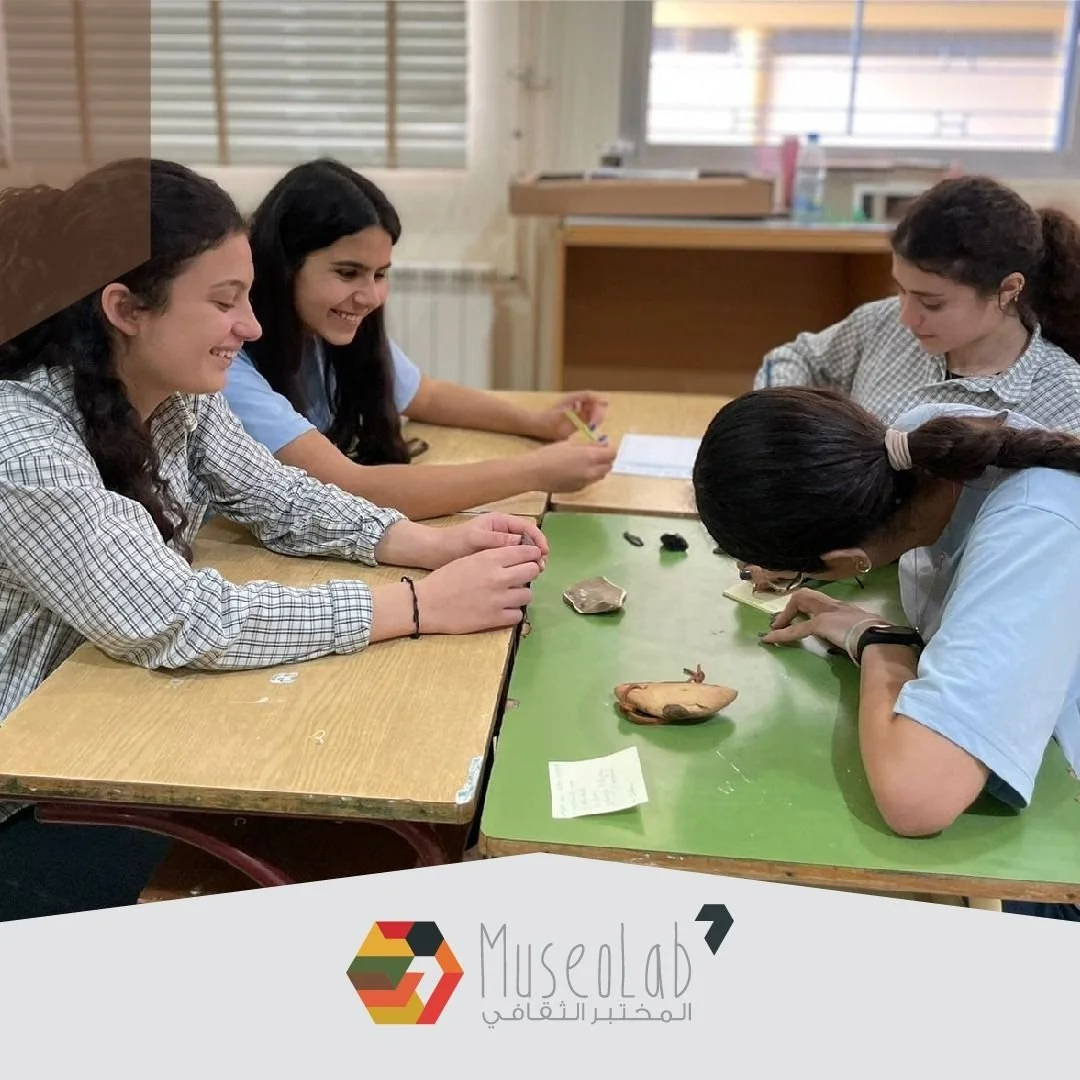
So, this is our motto and we have it printed on the walls of our HQ. We put this concept to test and we designed a program in collaboration with a semi-private school located in Beit Hebbak in Jbail.
We often think of drawing as an artistic activity, but drawing can also be a way of observing, thinking, and understanding the world. How do you see drawing fitting into children’s education?
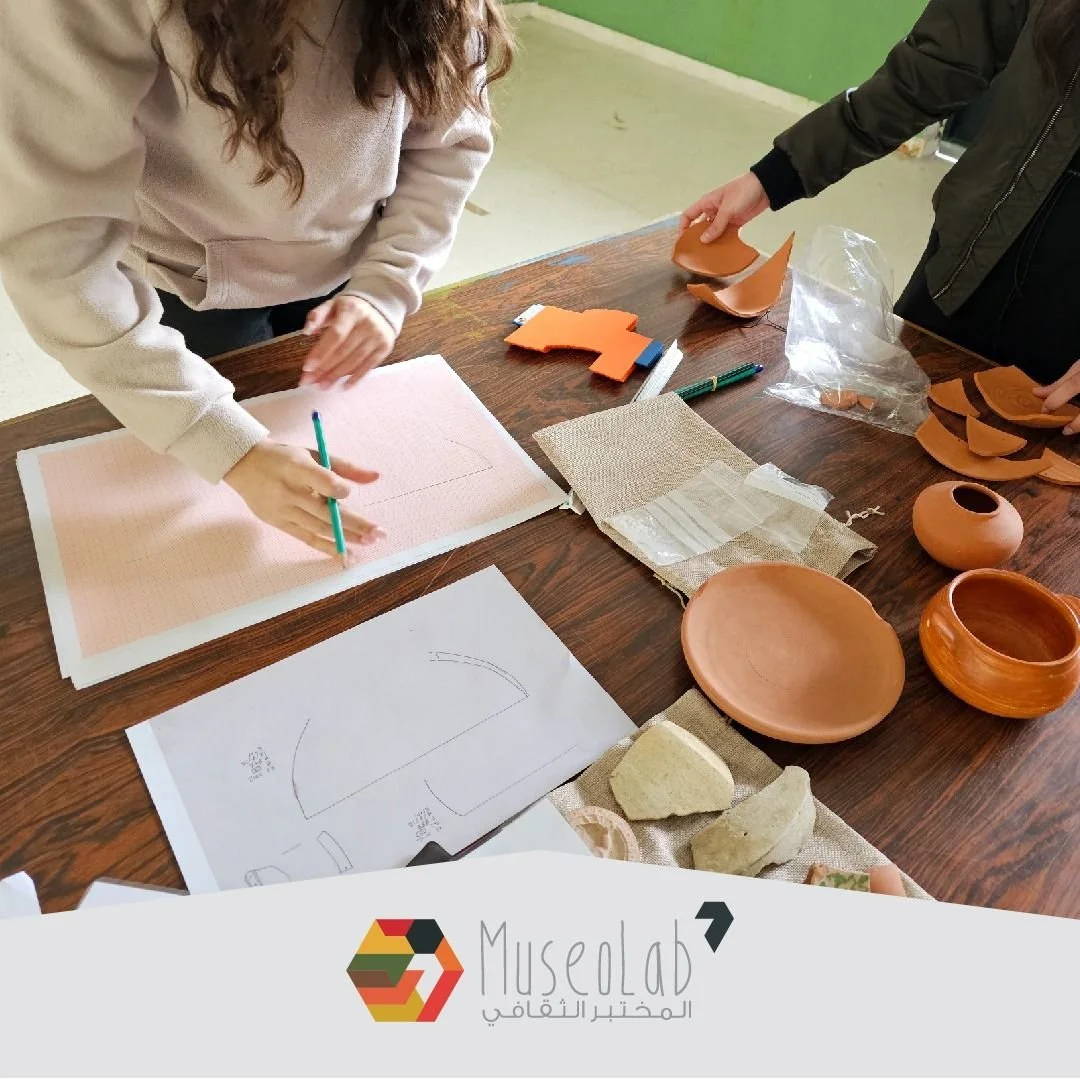
I see drawing as a way for children to observe, think, and make sense of the world around them. It encourages curiosity, attention to detail, and critical thinking, while offering an alternative way to express ideas and emotions. In heritage education, for example, drawing an object or a historical monument can help children look closely, ask questions, and connect the past to their own experiences. The value lies in what they discover while drawing.
What do children gain from direct observation and from the physical act of drawing?
Direct observation teaches children to slow down, pay attention, notice details, and develop curiosity. The physical act of drawing deepens this experience: it helps them translate what they see into their own understanding, develop fine motor skills, and make connections between observation and memory. Drawing turns looking into an active process of learning, interpretation, and discovery.
“Drawing turns looking into an active process of learning, interpretation, and discovery.”
In an increasingly digital world, what value do you see in hands-on work, drawing instruments and constructing things?
Hands-on activities offer children something that digital experiences cannot fully replace: a direct, physical relationship with the world. Drawing, building, and experimenting help them develop coordination, problem-solving skills, creativity, and patience. They learn by touching, testing, making mistakes, and trying again. I believe digital tools should complement, not replace, these experiences. Children need to engage with the world through both their hands and their minds.
Geometry is often introduced as mathematics, yet it is also present in architecture, art and nature. What changes when children encounter geometry through these wider contexts?
Children begin to see geometry not as abstract formulas, but as something that exists all around them. Through architecture, art, and nature, they can explore shapes, patterns, proportions, and spatial relationships in meaningful ways. It makes mathematics more tangible and encourages them to observe, experiment, and discover connections between different fields of knowledge. Geometry becomes something they experience, not just something they learn.
Museolab has been working with our workbook Shapes of Wonder: Sacred Geometry for Kids. What interested you about this resource and made it relevant to your work?
What interested us was the workbook's ability to bring together geometry, art, nature, and cultural heritage through hands-on exploration. This resonates strongly with Museolab's educational approach, which encourages children to learn by observing, experimenting, creating, and making connections with the world around them. We found it particularly relevant because it makes abstract concepts tangible and invites children to discover the geometry embedded in architecture, patterns, and cultural traditions. It is not simply about learning shapes; it is about developing curiosity and seeing the world differently.
You’ve been working with us to bring Shapes of Wonder: Sacred Geometry for Kids into schools. Could you tell us a little about the schools where the workbooks will be used, the children who will be working with them, and the role the nuns will play in introducing these activities?
The workbooks will be introduced in schools where children can benefit from creative, hands-on learning experiences. The aim is to make geometry accessible and enjoyable, regardless of whether children already feel confident in mathematics or drawing. We rely heavily on teachers, who will play an important role in introducing and facilitating the activities and encouraging children to explore, experiment, and learn at their own pace. Their involvement also helps connect the resource to the children's everyday educational environment.
How do you see these workbooks fitting into the children’s existing learning experiences, and what do you hope the children will gain from working through them?
I see the workbooks as complementing classroom learning by offering a more experiential approach. They allow children to move beyond abstract concepts and discover geometry through drawing, observation and construction. I hope they develop curiosity, confidence, spatial awareness and, above all, the pleasure of discovering things for themselves.
For people unfamiliar with the term, what does sacred geometry mean in an educational context, and why might it be interesting for children?
In an educational context, sacred geometry offers a way to explore the mathematical patterns, shapes and proportions that appear in architecture, art and nature, including those found in different cultural and spiritual traditions. For children, it is an invitation to discover connections between mathematics and the world around them. It makes geometry tangible, visual and meaningful.
One idea behind Shapes of Wonder is that children can learn geometry by constructing forms themselves, rather than only looking at finished diagrams. Why is that approach important?
Because there is a big difference between looking at something and making it yourself. When children construct forms, they experiment with shapes, proportions and relationships. They learn through trial and error, develop problem-solving skills and gain a deeper understanding of geometric concepts. The process becomes just as important as the final result.
Sacred geometry connects mathematical relationships with architecture, art and nature. Can this kind of interdisciplinary learning help children develop a broader understanding of the world?
Absolutely. It helps children understand that knowledge is interconnected. Geometry is not confined to mathematics textbooks; it is present in buildings, artworks, natural patterns and cultural traditions. These connections encourage children to look at their surroundings differently and appreciate how mathematics, creativity, culture and nature inform one another.
Given the ongoing conflict in Lebanon and the impact of war on children’s lives, drawing and hands-on activities may offer opportunities for expression, concentration and a sense of normality during uncertainty. Do you think educational resources such as these workbooks can play a role in supporting children’s wellbeing as well as their learning?
Yes, I believe they can. In situations of uncertainty and disruption, children need opportunities to learn, create, and simply be children. Drawing and hands-on activities can provide moments of concentration, expression and a sense of achievement. They cannot replace the support children need in difficult circumstances, but they can contribute to creating safe and meaningful learning experiences.
“In situations of uncertainty and disruption, children need opportunities to learn, create, and simply be children.”
What is it about drawing and making things with their hands that can be valuable for children living through difficult or uncertain circumstances?
Making things with their hands gives children a sense of agency. They can make choices, experiment, express themselves, and see something take shape through their own efforts. This can be particularly valuable when so much around them feels uncertain or beyond their control. It offers a space for creativity, focus, and a sense of accomplishment.
What do you think is missing from education today, particularly when it comes to creativity, visual thinking and understanding the built and natural worlds?
I think education sometimes places too much emphasis on memorising information and reaching predetermined answers, leaving less room for curiosity, experimentation and independent thinking. Children need more opportunities to observe, draw, construct, question and engage directly with their surroundings. We should help them understand the world, not simply learn facts about it.
What are you currently working on at Museolab, and where can people find out more about your work?
At Museolab, we continue to explore how cultural heritage can become a space for learning, creativity and civic engagement. We work with schools, young people and communities through hands-on activities that connect archaeology, history and contemporary life. We are also developing educational approaches that encourage children and young people to engage critically with heritage and understand its relevance to their own identities and communities.
For the next couple of years, we will be part of an Erasmus Youth program, called Wave, funded by the European Union aiming at offering capacity building trainings around informal learning and cultural heritage. We will partner with an NGO from Malta called RIMA and another one from Italy called Tavola Tonda, and a third partner from Syria, an NGO called Maaref.
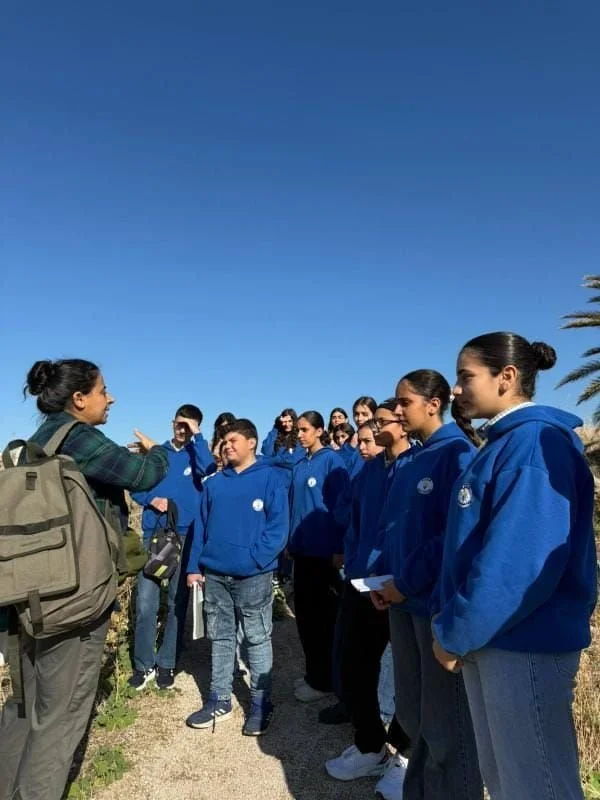
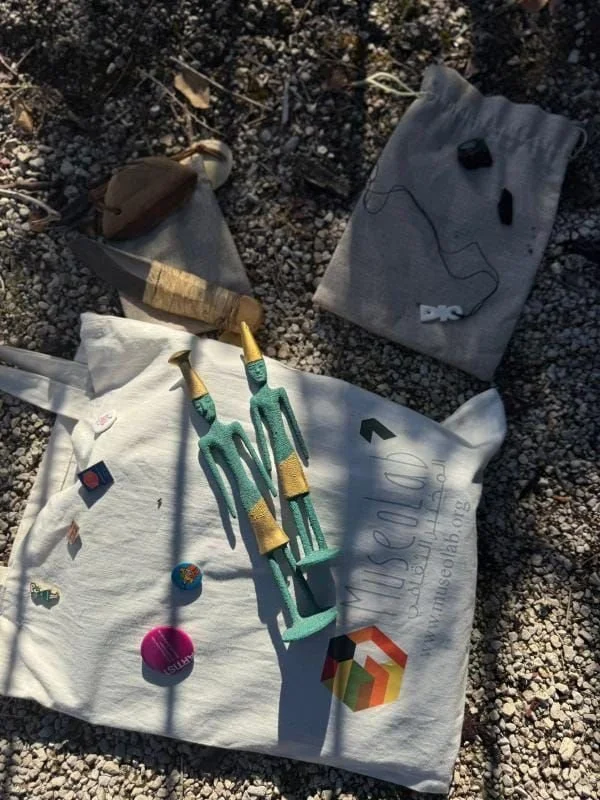
You can discover more about our activities and projects through our website, www.museolab.org, and our social media channels.
About Nelly.
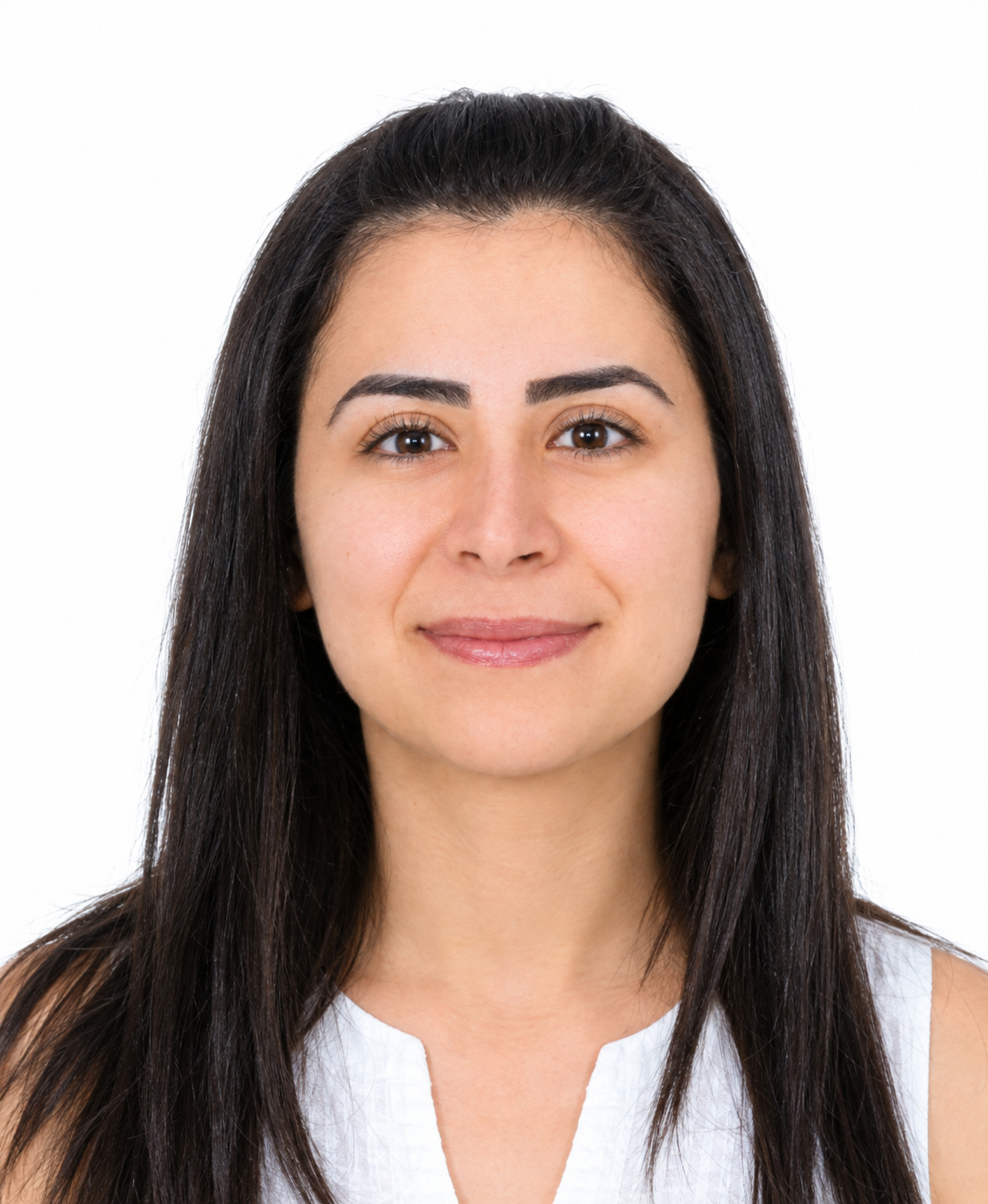
Nelly P. Abboud is a prominent archeologist, museum educator, and cultural heritage advocate. She is best known as the Founder and Director of Museolab (The Cultural Lab), a Lebanese non-governmental organisation established in 2017.
She holds a Master’s degree in History with a focus on Museum Education in Lebanon from the University of Saint-Joseph in Beirut. She also earned her foundational degrees in Arts and Archaeology from the Lebanese University.
Abboud completed specialised certifications in public archaeology, museum education, and online facilitation across several international institutions, including ArkéoMédia in Paris, the International Council of Museums (ICOM) Training Center in Beijing, and the British Museum.